Fanvil IP Phones in Pakistan: 2026 Buyer’s Guide
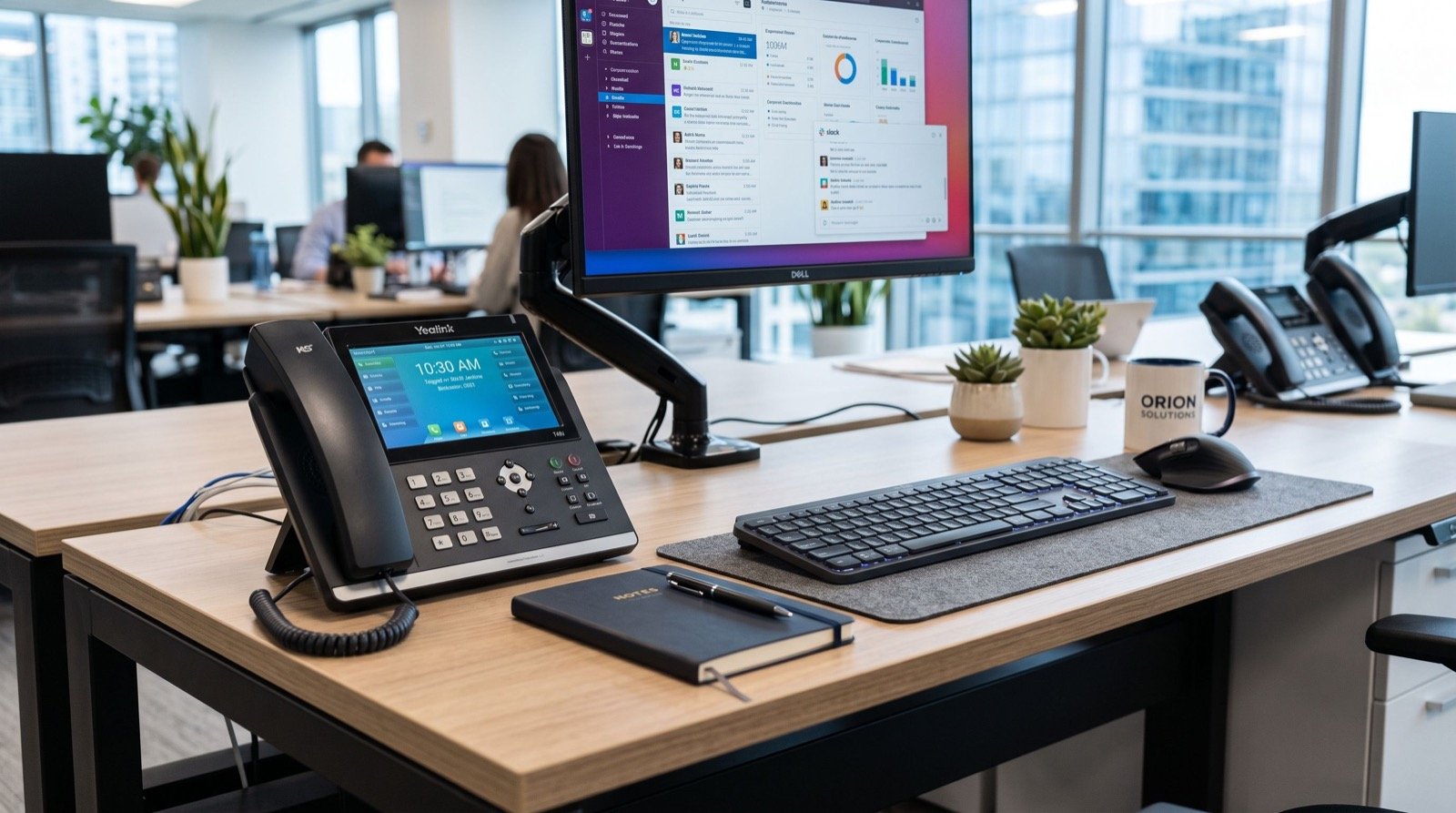
Choosing Fanvil IP Phones in Pakistan is one of the simplest ways to modernise an office telephone system without paying for a full overhaul. Businesses here are moving away from analogue desk phones and PBX boxes that nobody can service. They want clear audio, remote-friendly calling and hardware that survives unstable power and busy desks.
This guide explains what to look for in 2026, how the main Fanvil families differ, and how to avoid the mistakes we see most often during rollouts. It is written for office managers, IT leads and small business owners who need a practical answer rather than a spec-sheet dump.
Why Pakistani offices are switching to IP telephony
Traditional lines cost money every month and tie you to one physical location. An IP phone sends voice over your existing network, so the same handset works in Karachi, Lahore or Islamabad as long as it reaches your SIP server or cloud PBX.
Three pressures are driving the shift in 2026:
- Lower call costs. Internal calls between branches become free, and SIP trunks usually beat legacy line rental.
- Hybrid work. Staff can take the same extension home or to a second office.
- Better call handling. Transfer, hold, conferencing and voicemail-to-email come as standard.
The Pakistan Telecommunication Authority publishes the rules around licensed voice services, so it is worth reading the PTA official website before you plan inter-city or international routing.
How do you choose the right Fanvil IP phone?
Start with the person who will use the handset, not the model number. A receptionist who handles 150 calls a day needs something very different from a warehouse supervisor who answers five.
Match the phone to the role
- Light users: an entry-level model with a clear screen and basic line keys is enough.
- Managers and sales staff: look for a larger display, more programmable keys and Gigabit ports.
- Reception and executives: choose a high-end handset with a colour screen, Bluetooth and expansion-module support.
Check the network side first
The best handset still sounds poor on a congested switch. Before ordering, confirm that your switch offers Power over Ethernet (PoE) or that you have budget for power adapters. Also check whether voice traffic can be prioritised with QoS or a separate VLAN.
Fanvil model families compared
Fanvil sorts its desk phones into tiers. The table below gives a simplified view of how a typical buyer should think about them. Always confirm exact specifications on the product page before you place an order.
| Tier | Best for | Typical strengths | Watch out for |
|---|---|---|---|
| Basic (V-series entry) | Shared desks, shop floors, small branches | Low price, simple provisioning | Fewer line keys, smaller screen |
| Mid-range (V-series Prime) | Daily office users, sales teams | Colour display, Gigabit, more keys | Check Wi-Fi or Bluetooth needs |
| High-end (X-series) | Executives, reception, call-heavy roles | Large screen, expansion modules, HD audio | Higher cost per seat |
Our own rule of thumb is simple. Buy mid-range for about 70 percent of seats, basic for the lowest-use desks, and keep the premium models for the handful of people whose calls directly earn revenue.
A closer look at a popular mid-range choice
The Fanvil V61G Prime Business Phone is a sensible example of the middle tier. It targets everyday business users who want a modern screen and dependable audio without paying executive prices.
When you evaluate a model like this, ask four questions:
- Does it support the SIP accounts and codecs your provider uses?
- Does it have Gigabit ports so a PC can share the same cable?
- Are enough line or BLF keys available for your team’s workflow?
- Can you provision it automatically for twenty or more units?
If the answer to all four is yes, you will save hours during deployment and avoid repeat visits to each desk.
Deployment checklist that prevents headaches
An original tip from field installs: label every handset with its extension number on the back before it leaves the box. When a user reports a fault, your team can match the physical phone to the SIP account in seconds.
Use this short checklist for every rollout:
- Survey cable runs and switch ports, and note which ports supply PoE.
- Create a voice VLAN and set QoS rules for SIP and RTP traffic.
- Prepare a configuration template for each role.
- Pilot with five users for one week and collect complaints.
- Roll out in groups and keep the old phones for a fortnight as a fallback.
Power and uptime
Load-shedding remains a real issue in many areas. A small UPS on the network switch keeps PoE phones alive during short outages. That single purchase often matters more than upgrading the handsets themselves.
Security basics you should not skip
An IP phone is a network device, so treat it like one. Change the default admin password on every unit, disable unused services and keep firmware current. If your provider supports TLS and SRTP, switch them on.
Restrict the phone web interface to your management subnet. Many compromised VoIP systems are breached through exposed default credentials, not clever attacks. Taking ten minutes to harden each template is cheap insurance.
Where to buy and who should install
Buy from a supplier who stocks local warranty, offers advice on provisioning and can supply accessories such as wall-mount kits and headsets. Genuine stock matters, because grey-market units may lack firmware support or warranty cover.
For larger sites, work with trusted professionals for compliance paperwork and business setup, and a qualified network engineer for the cabling and VLAN work. Splitting responsibilities this way keeps projects on schedule.
You can also verify product details and firmware notes on the official Fanvil website, which is the authoritative source for datasheets.
Frequently Asked Questions
Are Fanvil IP phones compatible with my existing PBX?
Fanvil phones use standard SIP, so they work with most PBX platforms and cloud providers, including Asterisk-based systems and 3CX. Always test one unit before buying in bulk.
Do I need PoE switches for every phone?
No. PoE is convenient because it removes the power adapter, but you can power any phone with its own adapter. For more than ten phones, a PoE switch is usually cheaper overall.
How long does a Fanvil desk phone last?
With normal office use, a quality desk phone commonly runs five to eight years. Firmware updates and a stable power supply extend that life considerably.
Can one phone work on both landline and internet calls?
An IP phone makes calls through SIP. To reach regular numbers, your provider or PBX must route calls to the public network through a trunk or gateway.
Final thoughts
The right Fanvil IP phones in Pakistan balance price, audio quality and manageability. Match each handset to a role, prepare your network, harden the configuration and pilot before rollout. Ready to compare models? Browse the full range and request a quote for your office today.